Criteria for Comparing Activity Requirements and Personal Information Access in Rank-Based Communities
Two communities may both use labels such as New Member, Regular, Trusted Member, or Senior Member, but those labels reveal little about how their systems actually work. One platform may promote members according to post count, while another considers time spent reading, account age, approved contributions, or moderator review. The permissions attached to each rank can also differ substantially.
This makes a direct comparison difficult. A higher rank may unlock private messaging, attachments, restricted discussions, or moderation tools. It does not necessarily mean that the member can see another person’s email address, real name, or private conversations. Those details are often controlled by separate profile, directory, group, and privacy settings.
A useful comparison therefore requires more than counting how many posts are needed to advance. Members should examine what the system measures, which permissions change, how profile information is handled, and whether the effort required is reasonable for the access received.

What the Ranking System Actually Measures
The first step is identifying what the community means by rank. A visible title under a username may be a participation rank, but it could also be a badge, staff role, subscription level, verified status, or manually assigned user group. These systems should not be treated as interchangeable.
Participation-based ranks normally measure one or more forms of activity. Common factors include account age, visits, topics viewed, posts created, reactions received, reports accepted, or contributions approved by moderators. Some platforms combine several conditions rather than relying on a single total.
This distinction affects the quality of the community experience. A system based almost entirely on post count gives members a reason to publish frequently, but it may also encourage short replies, repeated comments, or content created only to reach the next level. A system that considers account age and accepted contributions is harder to complete quickly, although it may provide a stronger indication that the member has participated constructively.
Members should also determine whether the requirements are cumulative or time-sensitive. In a cumulative system, earlier activity continues to count. In a rolling system, the platform may examine only a recent period, meaning that a member must remain active to retain a particular level. Other communities allow administrators to promote, demote, or lock a rank manually.
The following questions reveal how demanding the system really is:
- Are all listed requirements mandatory?
- Does reading count, or only visible contributions?
- Are deleted, rejected, or off-topic posts excluded?
- Is promotion immediate or reviewed by a moderator?
- Can inactivity lead to demotion?
- Are staff roles and paid tiers separate from earned ranks?
Clear requirements allow members to estimate the time involved before they begin contributing. Vague descriptions such as “stay active” or “become a trusted member” provide little useful information, especially when important features remain unavailable until an undefined threshold has been reached.
The structure should also be judged by how easily it can be manipulated. When repetitive posts, low-effort reactions, or unnecessary uploads are enough to advance, the rank may show persistence rather than trustworthiness. More balanced systems consider several types of participation and apply anti-spam rules to prevent members from farming activity.
What Changes When a Member Reaches a Higher Rank
Rank permissions usually fall into two different categories: feature access and information visibility. Mixing them together can make a community appear more intrusive than it is.
Feature access concerns what a member can do. A higher level may allow the member to post links, upload larger files, create polls, send direct messages, enter restricted sections, invite other users, edit shared content, or help flag inappropriate posts. These permissions control participation rather than personal data.
Information visibility concerns what one member can learn about another. This may involve profile fields, activity history, membership lists, connection details, or inclusion in a searchable directory. These settings may be controlled by rank, but they are often managed separately through privacy preferences or user groups.
For that reason, statements such as “high-ranking members can see email addresses and real names” should not be treated as a general rule. Some professional communities publish member directories containing names, organizations, and job information because networking is part of the service. Anonymous support forums may reveal little more than a username, regardless of rank. Other platforms allow each user to decide who can see individual profile fields.
Direct messaging requires separate attention. A platform may restrict the ability to start a conversation until a member has participated for a certain period. This can reduce automated spam and unwanted solicitation. However, the same platform may still allow new members to reply to messages sent by established users or staff.
Members should examine both sides of the messaging system:
- Who can initiate a conversation?
- Who can receive or reply to one?
- Can messages be limited to contacts or approved groups?
- Can users block senders?
- Are administrators able to access messages under stated policies?
- What reporting tools are available when harassment occurs?
The word “private” should not be interpreted as a guarantee of absolute confidentiality. A recipient can copy or share a message, and platform administrators may retain technical or policy-based access. Sensitive financial, identity, medical, or account-security information should not be shared merely because a feature is labeled private messaging.
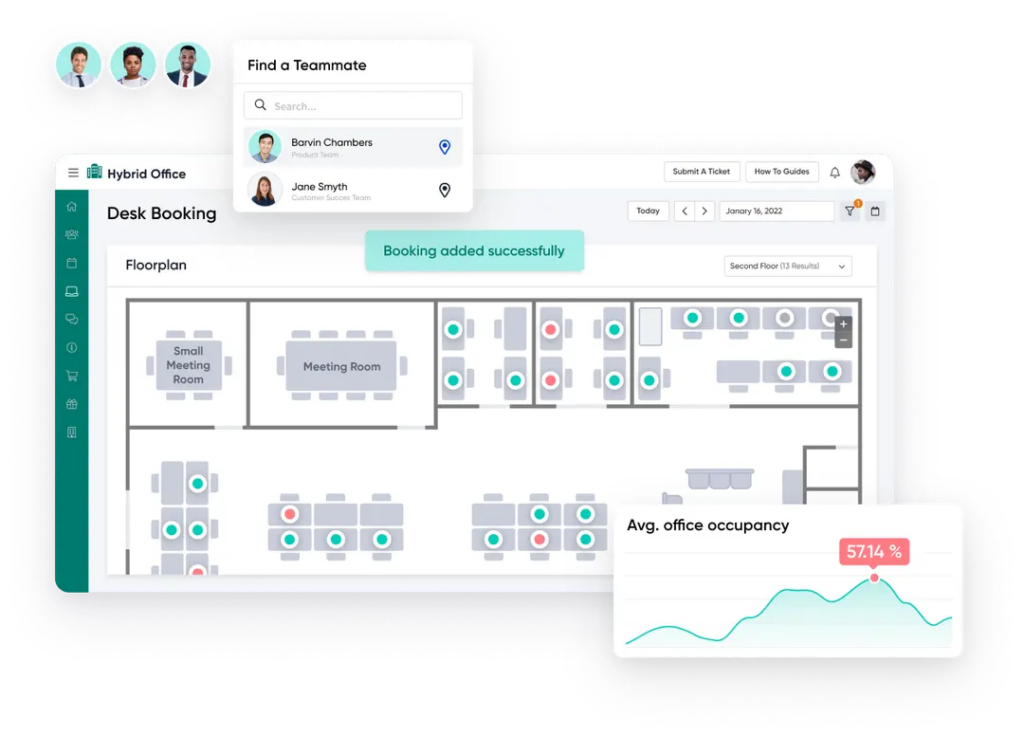
Profile visibility also deserves closer inspection. A community may allow users to remove themselves from its member directory while keeping their accounts active. It may also provide different visibility options for each field, such as public, members only, contacts only, or hidden. These controls provide stronger protection than a system in which reaching a rank automatically exposes additional information.
A Practical Comparison Before Joining
The best community is not necessarily the one with the easiest promotion path or the largest set of high-rank permissions. It is the one whose requirements match the member’s intended use without demanding unnecessary activity or personal information.
Start by identifying the feature you actually need. Someone who only wants to read public discussions may not need to advance at all. A person who wants to ask questions, contact specialists, download resources, or enter a private group should determine the lowest level at which that feature becomes available.
Next, compare the effort with the result. A long waiting period may be reasonable for access to a sensitive support group, professional directory, or moderation function. The same requirement may feel excessive when it unlocks only a decorative title or a slightly larger attachment limit.
A practical comparison can be organized as follows:
| Area | Community A | Community B | What to Examine |
|---|---|---|---|
| Promotion basis | Activity totals | Approved participation | Whether the system rewards quantity or useful contributions |
| Time requirement | Immediate when conditions are met | Minimum membership period | Whether access can be earned quickly or is time-gated |
| Rank retention | Permanent | Reviewed periodically | Whether inactivity causes a loss of access |
| Messaging | Restricted for new accounts | Available with user controls | Spam protection, blocking and reporting options |
| Profile visibility | Fixed by the platform | Adjustable by the member | Control over individual profile fields |
| Member directory | Included automatically | Optional participation | Whether the account can remain searchable |
| Restricted content | Based on rank | Based on group approval | Whether activity alone is enough to gain access |
| Account departure | Basic deactivation | Deletion and data controls | What happens to profile data and past contributions |
This method avoids assuming that one system is universally safer. A community with strict activity requirements may still have poor privacy controls. Another may offer rapid access while allowing members to hide nearly every optional profile field.
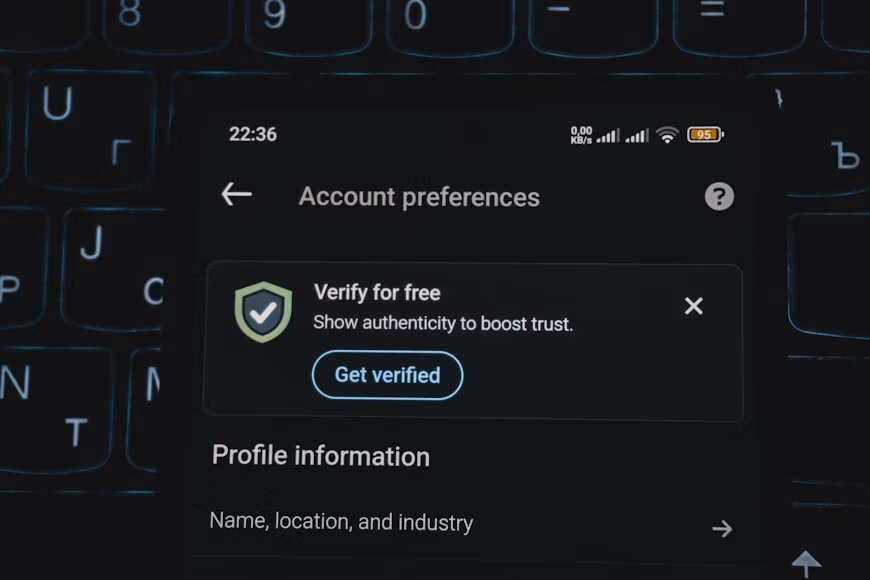
The privacy policy and account settings should be reviewed together. A privacy policy explains how the operator collects, uses, retains, or shares data. Profile settings determine what other community members can see. A platform may protect data from public visitors while still displaying it widely to registered members, so both layers matter.
Members should also consider how much information the registration form requires. An email address may be necessary for account verification and recovery. A public location, birth date, workplace, phone number, or social-media profile may not be necessary for ordinary forum participation. Optional fields can usually remain blank until there is a clear benefit to completing them.
Using a separate community email address, a non-identifying username, and limited profile details can reduce exposure. These precautions are particularly useful when the platform has a public member list or allows search engines to index profile pages.
Warning Signs That the System Is Not Worth the Trade-Off
A rank system becomes difficult to trust when its rules are hidden. Members should be able to find a basic explanation of how advancement works and what each level unlocks. Exact anti-abuse formulas do not always need to be public, but essential restrictions should not appear without warning after registration.
Another warning sign is the automatic exposure of profile information. Reaching a higher rank should not unexpectedly publish contact details, location information, or other sensitive fields. A reliable platform explains visibility clearly and provides controls wherever practical.
The system may also be poorly designed when it rewards constant low-value activity. Requirements that encourage members to post for the sake of posting can reduce discussion quality and create unnecessary pressure. Why Recommended and Chronological Feeds Can Make Community Opinion Look Different also shows how the way contributions are surfaced can influence which opinions appear most prominent within a community.
Members should be cautious of communities that lack clear rank rules, request unnecessary personal information, offer limited privacy or safety controls, change rank requirements without explanation, reward easily farmed activity with broad access, or provide no clear process for account deletion and data handling.
Rank-based communities can use activity requirements effectively to control spam, reward reliable participation, and protect restricted spaces. Problems arise when rank labels hide unclear rules or when feature access is confused with personal-information access.
Before investing time in advancement, members should identify how the rank is earned, what it unlocks, whether it can be lost, and which privacy settings remain under their control. The most suitable community is one that gives members a clear exchange: reasonable participation requirements, useful permissions, and enough control to prevent their personal information from becoming the hidden price of gaining access.